
Article: Satin Is Not a Fabric — And Here's Why That Matters for Your Hair
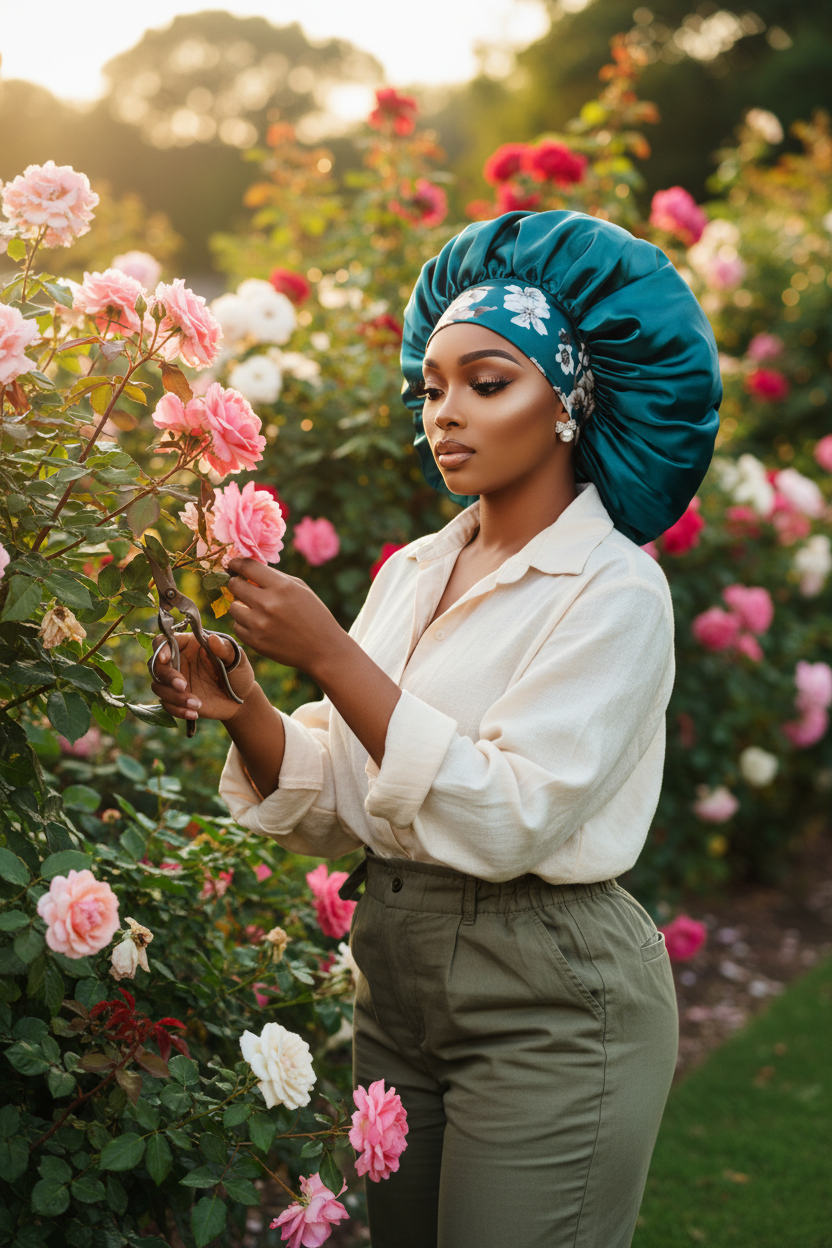
Satin Is Not a Fabric — And Here's Why That Matters for Your Hair
If you've been scrolling TikTok lately, you may have seen someone say "satin is just polyester" or "silk is better than satin." We're here to set the record straight — because the truth is more nuanced, more interesting, and more important for your hair health than a 30-second take can cover.
Satin Is a Weave, Not a Fabric
Let's start with the basics. Satin is a weaving technique — not a material. It refers to a specific way threads are interlaced to create a smooth, lustrous surface with a characteristic sheen on one side and a duller finish on the other.
The satin weave works by floating threads over multiple others before interlacing, which minimizes the number of contact points between threads. The result? A surface that is incredibly smooth, with very little friction. That low-friction surface is exactly why satin is so beloved for hair care — it allows your hair to glide rather than snag, reducing breakage, frizz, and moisture loss while you sleep.
Satin can be made from almost any fiber, including:
- Polyester — the most common and affordable option
- Nylon
- Acetate
- Rayon
- And yes — silk
So when someone says "all satin is polyester," they're simply wrong. That's like saying "all bread is white bread." The weave is the technique. The fiber is the ingredient.
So What Is Silk?
Silk is a natural fiber produced by silkworms. It is one of the oldest and most luxurious textiles in the world. Silk has a naturally smooth, protein-rich structure that is genuinely beneficial for hair and skin — it's breathable, temperature-regulating, and hypoallergenic.
Here's the key distinction: silk can be woven in many ways — including the satin weave. When silk is woven using the satin technique, the result is called silk satin — and it combines the best of both worlds: the natural properties of silk fiber with the ultra-smooth surface of the satin weave.
What Is Mulberry Silk?
Not all silk is created equal. Mulberry silk is widely considered the highest quality silk available, and here's why:
Mulberry silk comes from silkworms (Bombyx mori) that are fed exclusively on the leaves of the mulberry tree. This controlled diet produces silk filaments that are:
- Longer and more uniform than other silk varieties
- Smoother and finer in texture
- Stronger and more durable
- Naturally white, which means it takes dye more evenly for richer, more consistent color
Other types of silk — like Tussah silk — come from wild silkworms with varied diets, producing shorter, coarser, less uniform fibers. Mulberry silk is the gold standard, which is why you'll see it called out specifically on premium hair care products.
Silk Satin vs. Polyester Satin — What's the Difference?
| Polyester Satin | Silk Satin (Mulberry) | |
|---|---|---|
| Fiber | Synthetic | Natural protein fiber |
| Breathability | Low | High |
| Temperature regulation | Traps heat | Naturally regulates |
| Smoothness | Very smooth | Exceptionally smooth |
| Hypoallergenic | Generally yes | Naturally yes |
| Price | Affordable | Premium |
| Hair benefits | Reduces friction | Reduces friction + breathable |
Why We Offer Both at AYANNA'S BETTER BONNETS
We believe in giving you options — not gatekeeping. Our satin bonnets deliver the smooth, low-friction surface your hair needs at an accessible price point. Our silk bonnets take it a step further with the natural breathability and protein-rich properties of mulberry silk for the ultimate in hair protection.
Neither is a compromise. Both are intentional choices made with your hair health in mind.
The next time someone tells you "satin is just polyester" — now you know better. And so do we. 👑
Shop our full Bonnet Collection and Silk Collection at ABBonnets.com.